Diving into the realm of Sage300, this introduction paints a vivid picture of its history, features, and target market. It sets the stage for an informative and engaging discussion that will captivate readers' interest.
Moving forward, we will delve into the implementation, customization, integration, training, and support aspects of Sage300, providing valuable insights and practical tips for users.
Overview of Sage 300
Sage 300, formerly known as Sage Accpac, is a robust accounting and business management solution that has been serving businesses for several decades. Originally developed by the Canadian company Accpac International, it was later acquired by Sage Group plc and rebranded as Sage 300.Sage 300 offers a wide range of features and functionalities to help businesses manage their finances, operations, and inventory effectively.
It provides tools for financial management, customer relationship management (CRM), human resources, supply chain management, and more. The software is known for its scalability, allowing it to cater to the needs of small to medium-sized businesses as well as larger enterprises.
Main Features and Functionalities
- Advanced financial management capabilities, including general ledger, accounts payable and receivable, and budgeting.
- Integrated CRM functionality to manage customer interactions and streamline sales processes.
- Inventory management tools to track and optimize stock levels, orders, and supply chain operations.
- Multi-currency and multi-language support for businesses operating in diverse markets.
- Customizable reporting and analytics features for better decision-making and performance tracking.
Target Market
Sage 300 is ideal for a wide range of industries, including manufacturing, distribution, retail, and services. Small to medium-sized businesses looking to streamline their operations, improve financial visibility, and enhance customer relationships can benefit greatly from Sage 300. Additionally, larger enterprises with complex accounting and management needs can leverage the scalability and customization options offered by Sage 300 to meet their requirements.
Implementation of Sage 300
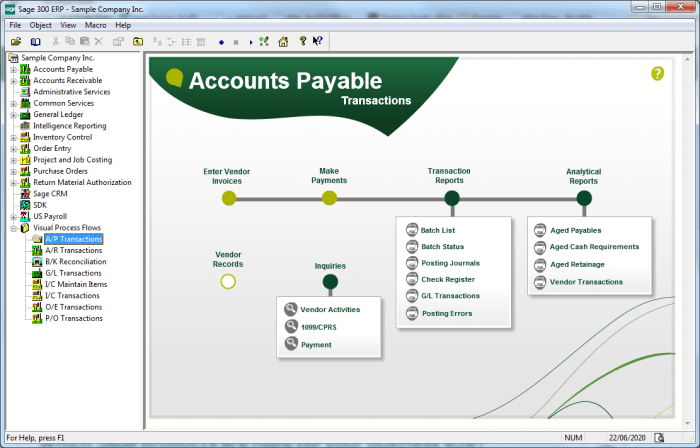
Implementing Sage 300 for a new client involves several key steps to ensure a successful setup and configuration that meets the specific business needs. It is essential to follow best practices and address common challenges effectively during the implementation process.
Steps in Implementing Sage 300 for a New Client
- Assessment of Business Requirements: Understand the client's business processes, objectives, and specific needs to tailor the Sage 300 implementation accordingly.
- Planning and Preparation: Create a detailed implementation plan outlining tasks, timelines, and responsibilities to ensure a smooth transition.
- Data Migration: Transfer existing data from the client's previous system to Sage 300 accurately and securely to maintain data integrity.
- Configuration and Customization: Set up Sage 300 modules, workflows, and reports to align with the client's business operations and reporting requirements.
- User Training: Provide comprehensive training to the client's staff to ensure they can effectively use Sage 300 and maximize its benefits.
- Testing and Validation: Conduct thorough testing of the system to identify and address any issues or discrepancies before going live.
- Go-Live and Support: Transition the client to live operations on Sage 300 and provide ongoing support to address any post-implementation issues.
Best Practices for Configuring Sage 300
- Consultation with Stakeholders: Involve key stakeholders from the client's organization to gather insights and ensure the system configuration meets their requirements.
- Customization with Care: Customize Sage 300 judiciously to avoid unnecessary complexity and ensure a streamlined user experience.
- Regular Updates and Maintenance: Stay updated with the latest Sage 300 releases and patches to leverage new features and security enhancements.
- Data Security Measures: Implement robust data security measures to protect sensitive information and prevent unauthorized access.
Common Challenges During Implementation and Solutions
- Data Migration Issues: Address data mapping discrepancies and ensure data cleansing before migration to prevent data integrity issues.
- User Adoption Challenges: Provide adequate training and support to users to facilitate a smooth transition to Sage 300 and maximize user adoption.
- Integration Complexity: Integrate Sage 300 with other systems seamlessly by using compatible APIs and conducting thorough testing.
- Performance Optimization: Monitor system performance regularly and optimize configurations to enhance speed and efficiency.
Customization and Integration with Sage 300
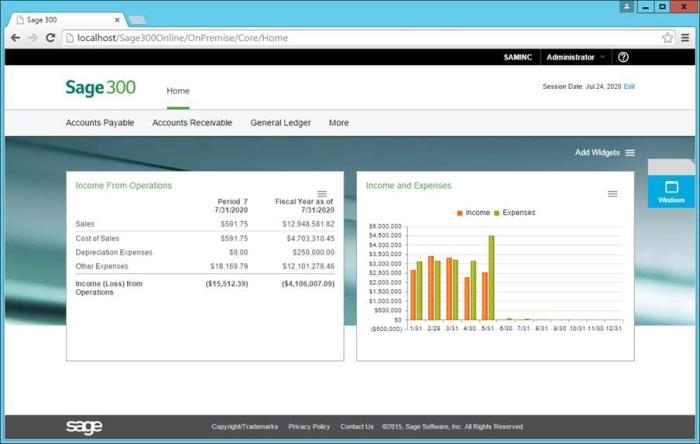
Customizing Sage 300 to meet the specific needs of a company is crucial for maximizing its efficiency and effectiveness. Fortunately, Sage 300 offers various options for customization, allowing businesses to tailor the software to their unique requirements.
Customization Options for Sage 300
- Custom Reports: Companies can create personalized reports to analyze data specific to their operations.
- User-defined Fields: Adding custom fields allows for the capture of additional data relevant to the business.
- Workflow Automation: Automating processes through customization can improve efficiency and reduce manual errors.
- Customized Alerts: Setting up alerts for specific events or thresholds can help in proactive decision-making.
Third-Party Integrations for Sage 300
- Payment Gateways: Integrating with payment gateways like PayPal or Stripe enables secure online transactions.
- E-commerce Platforms: Integrating with platforms like Shopify or WooCommerce streamlines order processing and inventory management.
- CRM Systems: Integration with CRM systems such as Salesforce or HubSpot ensures seamless flow of customer data between platforms.
- Business Intelligence Tools: Integrating with BI tools like Tableau or Power BI enhances data analysis capabilities.
Importance of Seamless Integration with Other Business Systems
Seamless integration with other business systems is crucial for ensuring data consistency, eliminating manual data entry errors, and improving overall operational efficiency. It enables real-time data sharing between different systems, leading to better decision-making and streamlined processes.
Training and Support for Sage 300
Training and support are crucial components for effectively utilizing Sage 300 software. Users need to be well-trained to maximize the benefits of this powerful tool, while having reliable technical support is essential for troubleshooting any issues that may arise.
Training Resources for Sage 300
There are various training resources available for users to learn how to use Sage 300 effectively:
- Online training modules provided by Sage, offering step-by-step guides and video tutorials.
- In-person training sessions conducted by certified Sage trainers for a more hands-on learning experience.
- User manuals and documentation that come with the software, providing detailed instructions on different features and functionalities.
Role of Technical Support
Technical support plays a crucial role in helping users troubleshoot issues with Sage 300:
- 24/7 support hotline to assist users with any technical problems or questions they may have.
- Remote desktop support for more complex issues that require direct assistance from a technical expert.
- Regular software updates and patches to address any bugs or issues reported by users.
Tips for Maximizing Training and Support Benefits
Here are some tips to help users maximize the benefits of training and support services for Sage 300:
- Attend regular training sessions to stay updated on new features and best practices for using the software.
- Maintain open communication with technical support staff to quickly resolve any issues that may arise.
- Utilize online forums and user communities to exchange tips and tricks with other Sage 300 users.
- Regularly backup your data to prevent any loss in case of technical issues or system failures.
Final Thoughts
In conclusion, Sage300 stands as a versatile and powerful tool for businesses, offering a myriad of possibilities for growth and efficiency. This discussion has shed light on various aspects of Sage300, highlighting its importance and potential impact on businesses of all sizes.
Detailed FAQs
How long has Sage 300 been in existence?
Sage 300, formerly known as Accpac, has been in existence since the early 1980s.
What are some common challenges faced during Sage 300 implementation?
Common challenges include data migration issues, system configuration complexities, and user training requirements.
Can Sage 300 be customized to fit specific business needs?
Yes, Sage 300 offers various customization options to tailor the software to meet unique business requirements.
What training resources are available for Sage 300 users?
Users can access online tutorials, user guides, and training sessions to learn how to effectively use Sage 300.
How important is seamless integration with other business systems for Sage 300?
Seamless integration with other business systems is crucial for ensuring smooth operations and data flow within an organization.