Exploring the realm of resource planning systems, this introduction delves into the essential functions and benefits of such systems in organizations. From resource allocation to tracking, the components work cohesively to enhance overall efficiency.
As we navigate through the details of resource planning systems, examples and real-world scenarios will shed light on their significance in different industries.
Introduction to Resource Planning System

A resource planning system is a software tool used by organizations to effectively manage and allocate their resources, such as human resources, finances, equipment, and materials. It helps in planning, scheduling, tracking, and optimizing resources to enhance productivity and efficiency.
Implementing a resource planning system is crucial for organizations as it allows them to streamline their operations, reduce costs, improve decision-making, and enhance overall performance. By having a centralized system to manage resources, businesses can allocate resources more effectively, identify potential bottlenecks, and optimize resource utilization.
Examples of Industries Benefiting from Resource Planning Systems
- Manufacturing Industry: Resource planning systems help in managing production schedules, inventory levels, and supply chain operations efficiently.
- Healthcare Sector: These systems assist in managing staff schedules, patient appointments, medical equipment, and inventory effectively.
- Construction Sector: Resource planning systems help in managing project timelines, labor allocation, equipment utilization, and material procurement efficiently.
Components of a Resource Planning System
Resource Planning Systems consist of key components that work together to optimize resource utilization and enhance overall efficiency. These components include resource allocation, scheduling, and tracking, each playing a crucial role in the successful management of resources.
Resource Allocation
Resource allocation involves assigning resources to specific tasks or projects based on availability, skills, and priority. By effectively allocating resources, organizations can ensure that the right people are working on the right tasks at the right time, maximizing productivity and minimizing downtime.
Scheduling
Scheduling is the process of creating a timeline for when resources will be utilized for various tasks or projects. It helps in organizing workflow, setting deadlines, and identifying potential bottlenecks. Through efficient scheduling, organizations can optimize resource usage and ensure timely completion of projects.
Tracking
Tracking involves monitoring the progress of tasks, projects, and resources in real-time to identify any deviations from the plan. It allows for adjustments to be made promptly, ensuring that resources are utilized effectively and that projects stay on track. Tracking helps in identifying inefficiencies and improving overall performance.Examples of tools commonly used for resource planning include Microsoft Project, Oracle Primavera, and SAP ERP.
These software solutions provide features for resource allocation, scheduling, and tracking, enabling organizations to streamline their operations and enhance productivity.
Benefits of Implementing a Resource Planning System
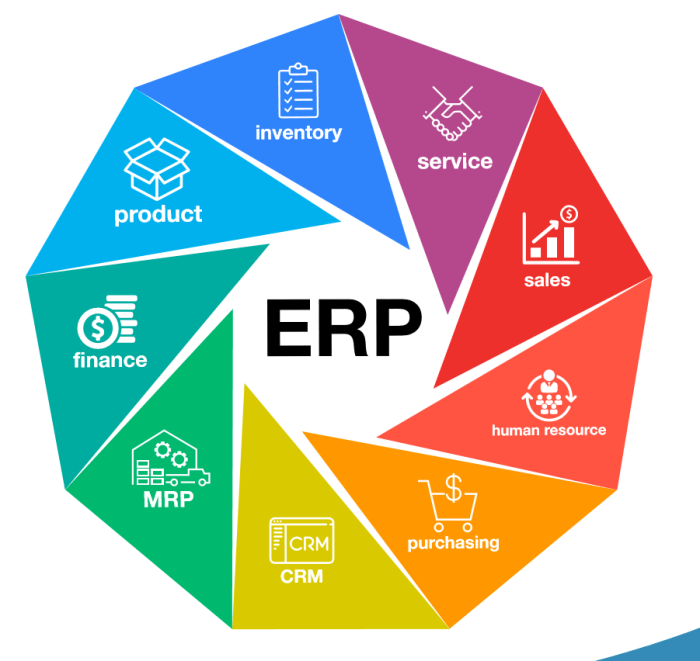
Implementing a resource planning system offers various advantages to organizations, ranging from cost-effectiveness to improved workflow efficiency and productivity. Let's delve into the key benefits of utilizing a resource planning system below.
Cost-Effectiveness
One of the primary benefits of implementing a resource planning system is the cost-effectiveness it brings to an organization. By efficiently managing resources such as manpower, equipment, and materials, companies can optimize resource allocation and reduce unnecessary expenses. This leads to significant cost savings in the long run, making the organization more financially sustainable.
Optimized Workflow and Productivity
Resource planning systems play a crucial role in streamlining operations and enhancing workflow efficiency within an organization. By providing real-time insights into resource availability, scheduling, and utilization, these systems enable better planning and coordination of tasks. As a result, productivity levels are boosted, and projects are completed in a more timely manner, ultimately improving overall operational efficiency.
Real-World Examples
Several companies have reaped the benefits of implementing resource planning systems. For instance, XYZ Corporation saw a 20% increase in productivity within the first six months of adopting a resource planning system, leading to a higher output and improved project delivery timelines.
Similarly, ABC Industries reported a 15% reduction in operational costs after implementing a resource planning system, allowing them to allocate resources more effectively and eliminate unnecessary expenditures.
Challenges in Implementing a Resource Planning System
Implementing a resource planning system in an organization can come with its own set of challenges
Resistance to Change
One of the most common challenges organizations face when adopting a resource planning system is resistance to change from employees. People are naturally hesitant to embrace new processes and technologies, especially if they are comfortable with the current way of doing things.
To overcome this challenge, it is essential to communicate the benefits of the system clearly to all stakeholders, provide adequate training and support, and involve employees in the decision-making process.
Data Integration and Migration
Another challenge is the seamless integration of data from various sources into the resource planning system and migrating existing data without loss or corruption. This process can be complex and time-consuming, requiring careful planning and coordination between different departments. To address this challenge, organizations should invest in robust data migration tools, conduct thorough data cleaning and validation, and involve IT experts in the process.
Lack of Top Management Support
Without strong support from top management, the implementation of a resource planning system can face significant roadblocks. Executives and senior leaders need to champion the project, allocate resources, and set clear goals and expectations for the system. To overcome this challenge, it is crucial to engage key decision-makers early on, demonstrate the value of the system in improving organizational efficiency and decision-making, and secure their commitment to the project.
Customization and Configuration
Resource planning systems often require customization and configuration to meet the specific needs and workflows of an organization. Balancing the need for customization with the cost and time constraints can be a challenge. To address this, organizations should conduct a thorough analysis of their requirements, prioritize essential features, and work closely with the software vendor to tailor the system to their unique needs.
It is crucial to strike a balance between customization and out-of-the-box functionality to ensure a smooth implementation.
Best Practices for Resource Planning System Usage
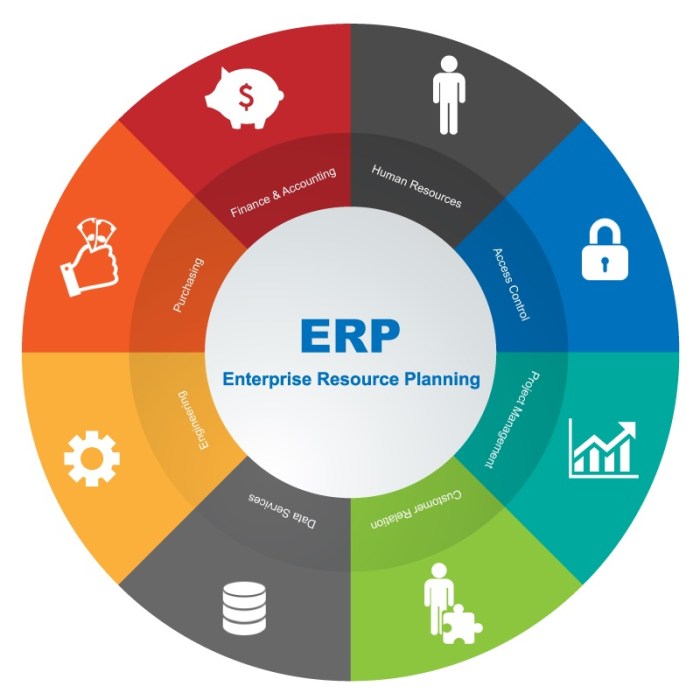
Effective utilization of a resource planning system is essential for maximizing its benefits. By following best practices, organizations can ensure data accuracy, integrity, and optimal performance. Regular updates and training for users are key components in achieving success with a resource planning system.
Strategies for Effective Utilization
- Define clear processes and roles: Establish clear guidelines for data input, approval workflows, and user responsibilities to ensure smooth operation of the system.
- Set up regular reviews: Schedule periodic reviews of data to identify any discrepancies or outdated information that may impact decision-making.
- Utilize reporting features: Take advantage of reporting tools to generate insights and track key performance indicators for informed decision-making.
Maintaining Data Accuracy and Integrity
- Implement data validation checks: Set up validation rules within the system to prevent errors and ensure data consistency.
- Regularly clean and update data: Remove duplicate entries, outdated information, and inaccuracies to maintain a reliable database.
- Establish data governance policies: Define data standards, security measures, and access controls to safeguard information integrity.
Importance of Regular Updates and Training
- Stay current with system upgrades: Keep the resource planning system up-to-date with the latest features and enhancements to improve functionality.
- Provide ongoing training: Offer training sessions to users on system usage, best practices, and new functionalities to optimize performance.
- Encourage user feedback: Gather input from users to address any challenges, enhance user experience, and tailor the system to meet organizational needs.
Final Wrap-Up
In conclusion, the discussion highlights the crucial role of resource planning systems in streamlining workflow and boosting productivity. By understanding the challenges and best practices associated with these systems, organizations can effectively implement and leverage them for optimal results.
User Queries
How can a resource planning system benefit organizations?
Resource planning systems aid in optimizing workflow, enhancing productivity, and ensuring cost-effectiveness through efficient resource allocation.
What are some common challenges in implementing resource planning systems?
Organizations often face challenges such as resistance to change, data integrity issues, and the need for comprehensive user training.
What tools or software are commonly used for resource planning?
Popular tools include Gantt charts, project management software, and ERP systems, which facilitate resource allocation, scheduling, and tracking.