Embark on a journey through the world of common ERP systems, where businesses find efficiency and productivity. Dive into the realm of streamlined processes and improved operations as we unravel the intricacies of these essential tools.
Overview of ERP Systems
ERP systems, or Enterprise Resource Planning systems, are integrated software solutions used by businesses to manage and streamline various processes across different departments. These systems help in centralizing data, automating tasks, and providing real-time insights to improve decision-making.ERP systems offer several benefits to businesses, including increased efficiency, improved accuracy in data management, better communication between departments, and enhanced visibility into the overall operations.
By using ERP systems, organizations can optimize their resources, reduce operational costs, and enhance customer satisfaction.
Examples of Industries Using ERP Systems
- Manufacturing: ERP systems are commonly used in manufacturing industries to streamline production processes, manage inventory levels, and track supply chain activities.
- Retail: Retail businesses utilize ERP systems to manage sales, track inventory, analyze customer data, and streamline purchasing processes.
- Finance: In the financial sector, ERP systems help in managing financial transactions, monitoring compliance regulations, and improving reporting and analysis capabilities.
- Healthcare: Healthcare organizations use ERP systems to manage patient data, streamline billing processes, improve patient care, and ensure regulatory compliance.
Popular ERP Systems in the Market
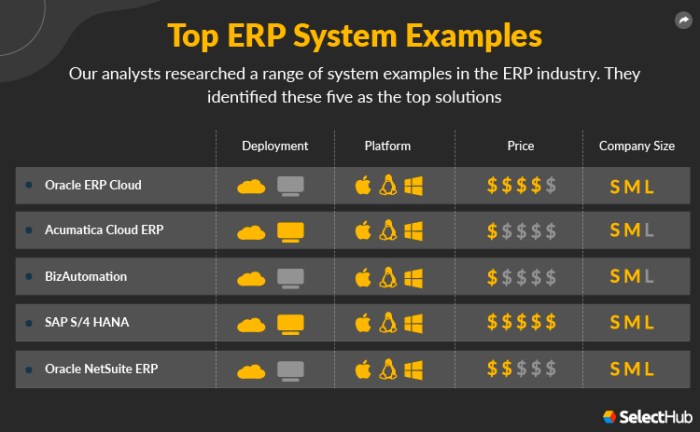
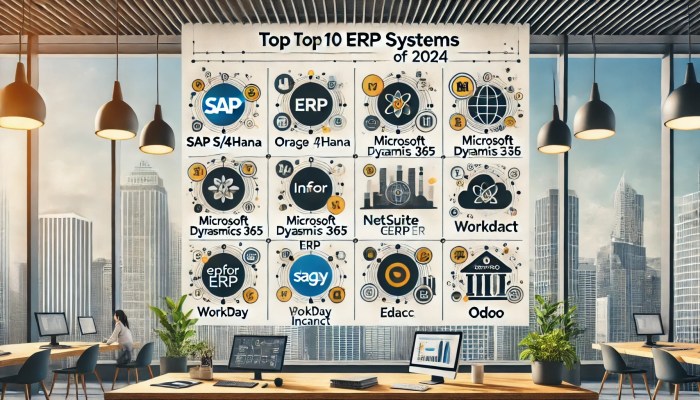
When it comes to Enterprise Resource Planning (ERP) systems, there are several popular options that businesses rely on to streamline their operations and improve efficiency. Let's take a look at some of the most common ERP systems used in the market today.
SAP ERP
SAP ERP is one of the most widely used ERP systems globally, known for its robust features and extensive customization options. It offers modules for various business functions such as finance, human resources, supply chain management, and more. SAP ERP is popular among large enterprises due to its scalability and integration capabilities.
Oracle ERP Cloud
Oracle ERP Cloud is another leading ERP system that provides a comprehensive suite of applications to manage different aspects of business operations. It is known for its flexibility, real-time analytics, and advanced security features. Oracle ERP Cloud caters to businesses of all sizes, offering scalability and industry-specific solutions.
Microsoft Dynamics 365
Microsoft Dynamics 365 is a popular choice for businesses looking for a user-friendly ERP system that integrates seamlessly with other Microsoft products. It offers modules for sales, marketing, customer service, and operations, enabling organizations to streamline processes and improve customer engagement.
Microsoft Dynamics 365 is often preferred by small to medium-sized businesses for its affordability and ease of use.
Key Features and Functionalities
ERP systems are equipped with a range of key features and functionalities that help businesses streamline their operations, improve efficiency, and boost productivity. These features are designed to integrate various business processes into a centralized system, providing real-time data and insights for better decision-making.
Centralized Database Management
ERP systems offer a centralized database management system, which allows businesses to store, access, and manage all their data in one place. This eliminates the need for multiple data sources and ensures data consistency across departments.
Automated Workflow Processes
ERP systems automate various workflow processes, such as order processing, inventory management, and financial transactions. This automation reduces manual errors, speeds up processes, and improves overall efficiency.
Financial Management
ERP systems include robust financial management modules that enable businesses to track expenses, revenues, and financial performance in real-time. This feature helps businesses make informed financial decisions and ensures compliance with accounting standards.
Inventory and Supply Chain Management
ERP systems provide tools for tracking inventory levels, managing supply chain operations, and optimizing order fulfillment processes. This feature helps businesses reduce stockouts, minimize excess inventory, and improve overall supply chain efficiency.
Reporting and Analytics
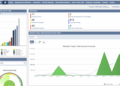
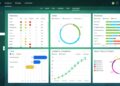
ERP systems offer advanced reporting and analytics capabilities, allowing businesses to generate custom reports, dashboards, and KPIs. This feature provides valuable insights into business performance, trends, and areas for improvement.
Customer Relationship Management (CRM)
Many ERP systems include CRM modules that help businesses manage customer interactions, track sales leads, and improve customer satisfaction. This feature enables businesses to streamline their sales and marketing processes and deliver personalized customer experiences.
Implementation and Integration
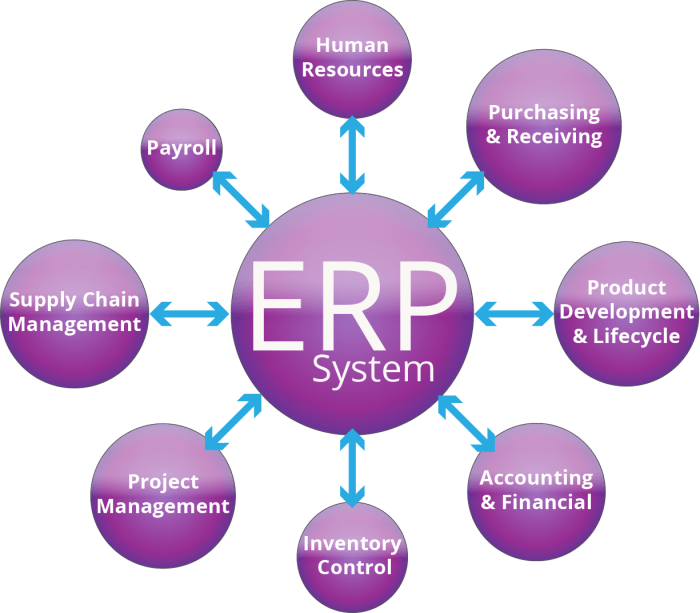
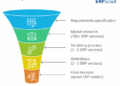
Implementing an ERP system can be a complex process that involves various steps to ensure successful integration with existing software.
Steps in Implementing an ERP System
- Planning: Define goals, scope, and timeline for implementation.
- Selection: Choose the right ERP system that aligns with business needs.
- Design: Customize the ERP system to fit specific business processes.
- Testing: Conduct thorough testing to identify and resolve any issues.
- Training: Train employees on how to use the new ERP system effectively.
- Go-live: Transition to the new ERP system and monitor performance.
- Optimization: Continuously improve and optimize the ERP system for better efficiency.
Challenges in Integrating ERP Systems
- Data Migration: Ensuring accurate and complete transfer of data from old systems.
- Customization: Adapting the ERP system to meet specific business requirements.
- Integration with Legacy Systems: Connecting the new ERP system with existing software.
- User Resistance: Overcoming resistance from employees to adopt the new system.
- Cost and Time Constraints: Managing costs and timelines during integration process.
Best Practices for Successful ERP Implementation
- Executive Sponsorship: Ensure top management support and involvement throughout the process.
- Clear Communication: Keep all stakeholders informed and engaged during implementation.
- Change Management: Prepare employees for changes and provide necessary training.
- Data Quality: Ensure data accuracy and integrity for smooth transition.
- Continuous Monitoring: Regularly monitor system performance and address any issues promptly.
Customization and Scalability
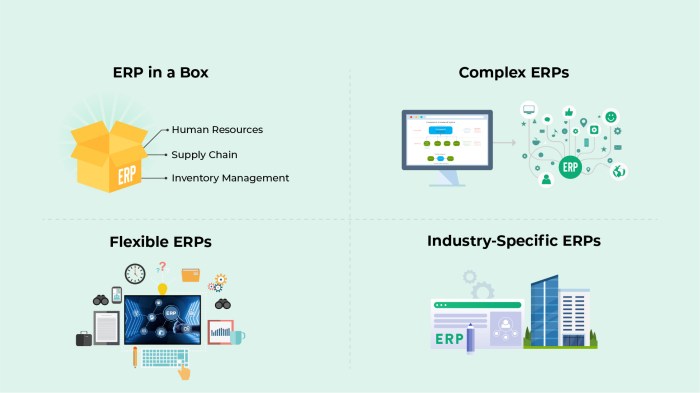
Customization and scalability are crucial aspects of ERP systems that allow organizations to tailor the software to their specific needs and expand its capabilities as the business grows. Let's delve into the importance of customization in ERP systems and how they can be scaled to meet the evolving requirements of a company.
Importance of Customization
Customization in ERP systems enables organizations to modify the software according to their unique business processes, industry requirements, and specific workflows. By customizing the ERP system, companies can streamline operations, improve efficiency, and enhance overall productivity. For example, a manufacturing company may customize its ERP system to include modules for inventory management, production planning, and quality control, aligning the software with its specific production processes.
Scalability in ERP Systems
ERP systems are designed to be scalable, allowing businesses to easily expand the software's functionalities and accommodate growth. As organizations evolve and their needs change, ERP systems can be scaled up by adding new modules, features, or integrations. This scalability ensures that the ERP system remains relevant and effective in supporting the expanding operations of the company.
For instance, a retail business can scale its ERP system to include e-commerce integration, warehouse management capabilities, and customer relationship management tools as it expands its online presence and customer base.
Benefits of Customization and Scalability
1. Improved Efficiency
Customizing ERP systems to align with business processes can lead to increased efficiency and productivity.
2. Enhanced Flexibility
Scalable ERP systems allow organizations to adapt to changing market conditions and business requirements.
3. Competitive Advantage
Customization and scalability can give companies a competitive edge by offering tailored solutions and the ability to grow seamlessly.
Security and Compliance
When it comes to ERP systems, security and compliance are paramount to ensuring the protection of sensitive data and adherence to regulations. Let's delve into the security features offered by ERP systems and the importance of compliance within these platforms.
Security Features of ERP Systems
ERP systems typically offer a range of security features to safeguard data and prevent unauthorized access. Some common security measures include:
- Role-based access control to restrict user permissions based on their roles within the organization.
- Encryption of data to protect information from being intercepted or accessed by unauthorized parties.
- Firewalls and intrusion detection systems to monitor and prevent any malicious activity on the system.
- Regular security updates and patches to address vulnerabilities and enhance system security.
Importance of Compliance in ERP Systems
Compliance with regulations and standards is crucial for ERP systems to ensure that organizations adhere to legal requirements and industry guidelines. Non-compliance can result in hefty fines, legal consequences, and reputational damage. Strategies for maintaining data security and ensuring compliance within ERP systems include:
- Regular audits to assess compliance with regulations such as GDPR, HIPAA, or SOX.
- Implementing data encryption and access controls to protect sensitive information.
- Training employees on security best practices and compliance requirements to minimize risks.
- Establishing clear policies and procedures for data handling and security protocols.
Concluding Remarks
In conclusion, common ERP systems play a crucial role in modern businesses, offering customization, scalability, and security. By understanding their key features and benefits, organizations can thrive in today's competitive landscape.
Questions Often Asked
What industries commonly use ERP systems?
ERP systems are commonly used in industries such as manufacturing, retail, healthcare, and finance.
What are the challenges businesses face when integrating ERP systems?
Businesses often face challenges like data migration, system compatibility, and employee training during ERP integration.
How do ERP systems improve efficiency and productivity?
ERP systems streamline processes, reduce manual tasks, provide real-time data, and enhance communication among departments, leading to increased efficiency and productivity.