Embark on a journey through the ERP selection process, where each step is meticulously laid out to help you navigate the complex landscape of choosing the right system. This guide is designed to provide you with a roadmap that ensures a smooth and successful selection process, setting the stage for your organization's digital transformation.
As you delve deeper into the intricacies of ERP selection, you will uncover essential insights and best practices that will empower you to make informed decisions and streamline your selection process.
Understanding ERP Selection Process
When it comes to selecting an ERP system for your business, it is crucial to follow a structured approach to ensure that you choose the right solution that aligns with your organization's needs and goals. The ERP selection process involves several key steps that help in evaluating different ERP solutions and making an informed decision.
Steps Involved in the ERP Selection Process
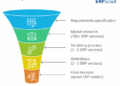
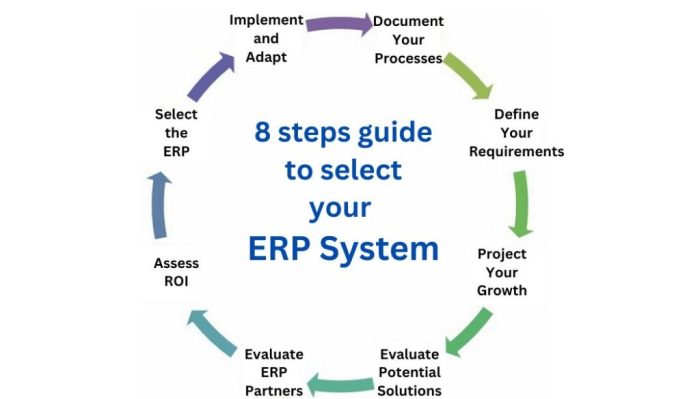
- Define Requirements: The first step is to clearly define your business requirements and objectives that the ERP system needs to address. This involves identifying key functionalities, processes, and features that are essential for your organization.
- Research and Shortlist: Research different ERP vendors and solutions available in the market based on your requirements. Create a shortlist of potential vendors that meet your criteria.
- Request for Proposals (RFPs): Send out requests for proposals to the shortlisted vendors to gather detailed information about their solutions, pricing, implementation process, and support services.
- Evaluate and Demo: Evaluate the responses received from vendors and schedule product demos to see the ERP systems in action. This will help you assess how well the solutions meet your requirements.
- Reference Checks: Conduct reference checks with other organizations that have implemented the ERP systems you are considering. This will provide insights into the vendor's track record and customer satisfaction.
- Final Selection: Based on the evaluation and feedback received, make a final decision on the ERP system that best fits your business needs and budget.
Importance of a Structured Approach in Selecting an ERP System
A structured approach in selecting an ERP system is essential to ensure that the chosen solution aligns with your organization's goals and requirements. It helps in streamlining the selection process, comparing different options objectively, and making an informed decision based on data and analysis rather than emotions or biases.
Key Criteria to Consider When Evaluating ERP Solutions
- Scalability: Ensure that the ERP system can grow with your business and accommodate future expansion.
- Customization: Evaluate the level of customization offered by the ERP system to meet your specific business needs.
- Integration Capabilities: Check the system's ability to integrate with other software applications used in your organization.
- User-Friendliness: Consider the ease of use and user interface of the ERP system to ensure adoption and usability among employees.
- Cost: Assess the total cost of ownership, including implementation, licensing, training, and maintenance fees, to determine the financial impact on your organization.
Needs Assessment
In the ERP selection process, conducting a thorough needs assessment is crucial to ensure that the chosen system aligns with the organization's requirements and goals.
Identifying Stakeholders
Before embarking on the needs assessment, it is important to identify the stakeholders involved in the ERP selection process. These stakeholders may include key decision-makers, department heads, IT personnel, end-users, and external consultants. Each stakeholder brings a unique perspective and set of requirements to the table, making their involvement essential for a successful ERP implementation.
Conducting a Thorough Needs Assessment
To conduct a thorough needs assessment, organizations should start by defining their current processes, pain points, and future goals. This may involve conducting interviews with stakeholders, analyzing existing systems, and documenting functional requirements. It is important to involve a cross-functional team in this process to ensure that all aspects of the organization's operations are taken into account.
Aligning Business Goals with ERP Selection Criteria
One of the key aspects of the needs assessment is aligning business goals with ERP selection criteria. Organizations should clearly define their strategic objectives, such as increasing efficiency, improving data visibility, or enhancing customer service. These goals should then be translated into specific ERP requirements, such as scalability, integration capabilities, and reporting functionalities.
By aligning business goals with ERP selection criteria, organizations can ensure that the chosen system will support their long-term growth and success.
Vendor Evaluation
When it comes to selecting an ERP system for your business, evaluating and comparing different vendors is a crucial step in the process. This involves creating a shortlist of potential ERP vendors, setting criteria for evaluation, and requesting proposals to make an informed decision.
Creating a Shortlist of Potential ERP Vendors
To create a shortlist of potential ERP vendors, start by conducting research online, seeking recommendations from industry peers, attending trade shows and conferences, and reviewing analyst reports. Consider factors such as vendor reputation, industry experience, product features, scalability, and pricing.
Criteria for Evaluating and Comparing ERP Vendors
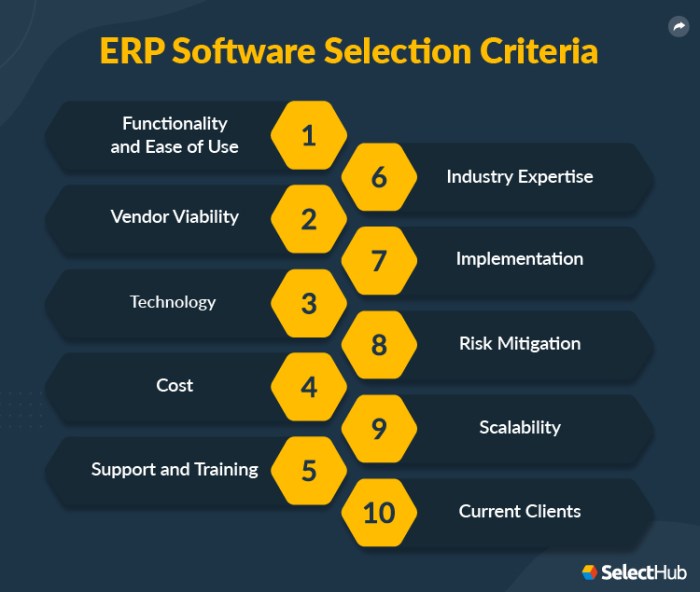
When evaluating and comparing ERP vendors, consider criteria such as system functionality, customization options, ease of implementation, ongoing support, training resources, integration capabilities, vendor stability, and total cost of ownership. Create a scoring system to objectively compare vendors based on these criteria.
Requesting Proposals from ERP Vendors
Once you have a shortlist of potential ERP vendors and defined evaluation criteria, it's time to request proposals. Clearly Artikel your business requirements, implementation timeline, budget constraints, and evaluation process in the request for proposal (RFP). Ask vendors to provide detailed information on their solutions, pricing, implementation approach, support services, and references.
Demo and Testing
When it comes to selecting an ERP system, organizing demos with shortlisted vendors and conducting comprehensive testing are crucial steps in the process. This ensures that the chosen system meets the specific needs of the organization and is user-friendly for all stakeholders involved
Organizing ERP Demos
Before scheduling demos with shortlisted vendors, it is important to clearly Artikel the requirements and functionalities that are essential for the organization. This will help in evaluating how well each vendor's solution aligns with the organization's needs.
- Set up a structured agenda for the demo to cover all important aspects of the ERP system.
- Involve key stakeholders from different departments to participate in the demos and provide feedback.
- Prepare a list of questions to ask during the demo to ensure all relevant information is covered.
Importance of Comprehensive Testing
Conducting thorough testing of ERP systems is essential to identify any potential issues or shortcomings before implementation. This helps in ensuring a smooth transition and optimal performance of the system once it is live.
- Test the system for different scenarios to assess its functionality and usability in real-world situations.
- Verify data accuracy and consistency to prevent any errors or discrepancies in the system.
- Engage end-users in the testing phase to gather feedback and address any usability concerns.
Involving End-Users in Demo and Testing
End-users play a crucial role in the success of an ERP implementation, as they will be the ones utilizing the system on a daily basis. Involving end-users in the demo and testing phase helps in ensuring that the system meets their requirements and is intuitive to use.
- Provide training and support to end-users during the demo to familiarize them with the system's features and functionality.
- Gather feedback from end-users during the testing phase to address any usability issues or concerns before finalizing the selection.
- Encourage end-users to actively participate in the testing process to ensure their needs are met and the system meets their expectations.
Decision Making
In the final stage of the ERP selection process, decision-making plays a crucial role in determining the most suitable vendor for your organization. This phase involves evaluating all the gathered information, analyzing the potential vendors, and making a final decision based on various factors.
Factors Influencing Decision Making
- Cost: The pricing structure and overall cost of the ERP solution are significant factors that influence the decision-making process. Organizations need to consider both initial implementation costs and long-term maintenance expenses.
- Functionality: The alignment of the ERP system's functionalities with the organization's specific needs and requirements is crucial. The chosen vendor should offer features and modules that cater to the organization's operations effectively.
- Vendor Reputation: The reputation and track record of the ERP vendor in the industry play a vital role in the decision-making process. Organizations should consider the vendor's experience, customer reviews, and success stories.
- Integration Capabilities: The ERP system should be able to integrate seamlessly with existing software and systems within the organization. Compatibility and integration capabilities are essential factors to consider during the decision-making process.
- Support and Training: Adequate support and training provided by the ERP vendor are critical for successful implementation and utilization of the system. Organizations should evaluate the vendor's support services and training programs before making a decision.
Negotiating Contracts and Finalizing Agreements
- Contract Negotiation: Once a vendor is selected, the next step involves negotiating the contract terms and conditions. This includes pricing, implementation timelines, service level agreements, and any customization requirements.
- Finalizing Agreements: After reaching an agreement on the contract terms, the final step is to formalize the agreement with the chosen ERP vendor. This involves signing the contract and ensuring all parties are clear on their responsibilities and obligations.
Closing Summary
In conclusion, the ERP selection process demands careful consideration, strategic planning, and a keen eye for detail. By following the guidelines Artikeld in this comprehensive guide, you are well-equipped to embark on this journey with confidence, knowing that your selection process is backed by thorough research and a structured approach.
Frequently Asked Questions
What are the key criteria to consider when evaluating ERP solutions?
Key criteria include scalability, integration capabilities, customization options, vendor reputation, and total cost of ownership.
How can end-users be involved in the demo and testing phase of ERP selection?
End-users can provide valuable feedback by participating in system demonstrations, testing functionalities, and assessing user-friendliness.
What factors influence the decision-making process in finalizing an ERP vendor?
Factors such as cost, functionality fit, vendor support, implementation timeline, and future scalability play a crucial role in the decision-making process.
How should business goals align with ERP selection criteria?
Aligning business goals ensures that the chosen ERP system meets specific organizational objectives, drives efficiency, and supports growth strategies.